Introduction
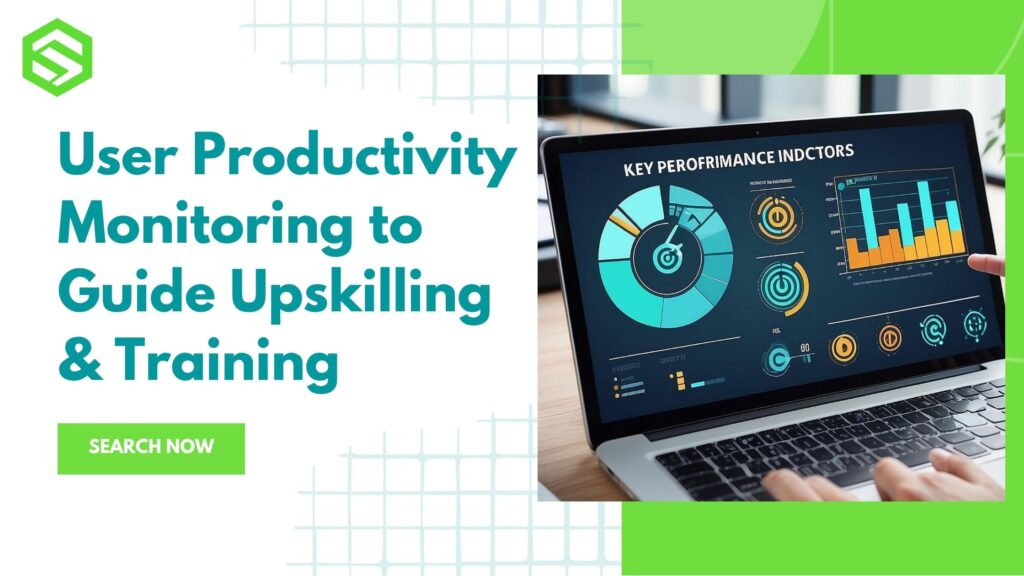
In modern workplaces, training now blends technology with data intelligence. Organizations use productivity monitoring software to identify strengths, detect weaknesses, and personalize employee learning paths. Instead of tracking only time or attendance, these tools reveal how effectively individuals perform daily tasks. As a result, companies can transform productivity insights into strategic skill development opportunities. Moreover, this shift empowers employees to learn smarter, improve performance, and grow continuously.
From Tracking Work to Developing Skills
How Monitoring Powers Workforce Upskilling
- Identifying Skill Gaps
When productivity drops in a specific area, it signals a training need. For instance, frequent delays in report generation may indicate a lack of automation knowledge. Through analytics, HR teams can design quick microlearning modules that target those exact challenges. Hence, training becomes precise and time-efficient rather than generic and lengthy. - Personalizing Learning Paths
Every employee learns differently, and data highlights these differences. Monitoring tools analyze patterns to show individual strengths and weaknesses. Thus, fast learners can move ahead while others receive guided assistance. This customization ensures equal growth across teams, making workforce training both fair and adaptive. - Measuring Training Effectiveness
Tracking post-training performance is vital for HR evaluation. Productivity monitoring software helps compare pre- and post-learning data. If employees complete tasks faster or with fewer mistakes, the improvement becomes measurable. Consequently, managers can justify training ROI and make data-backed decisions for future programs. - Encouraging Continuous Learning
Visual dashboards help employees see their progress clearly. Progress bars, milestones, and badges make learning fun and motivating. In turn, gamified monitoring systems promote healthy competition while keeping development goals transparent. Therefore, training becomes a rewarding experience instead of a mandatory task.
Ethical Use and Privacy Balance
Trust plays a crucial role in successful implementation. Hence, organizations must clearly communicate what data they collect and why. Productivity monitoring software tools should analyze aggregated data rather than personal details. When employees understand that monitoring aims to enhance their skills, resistance decreases. Furthermore, compliance with global privacy standards like GDPR ensures ethical use of information. This balanced approach builds confidence and collaboration between teams and management.
Benefits for Every Stakeholder
Productivity monitoring benefits everyone within the organization. HR teams can analyze training impact and reduce attrition through skill-based development. Managers gain real-time insights to allocate resources effectively. Employees enjoy personalized learning paths that align with career goals. Executives, on the other hand, can directly link upskilling to business outcomes. Consequently, all stakeholders experience measurable value and improved productivity.
Real-World Success Example
Overcoming Implementation Challenges
Leading Tools in 2025
The market offers several advanced workforce upskilling tools. Hubstaff Insights excels in workflow mapping, while Time Doctor provides training-focused analytics. Teramind identifies skill gaps, and ActivTrak delivers AI-driven workforce intelligence. SAMPAT by Amvion, meanwhile, combines productivity tracking with customizable upskilling options, making it ideal for hybrid environments.